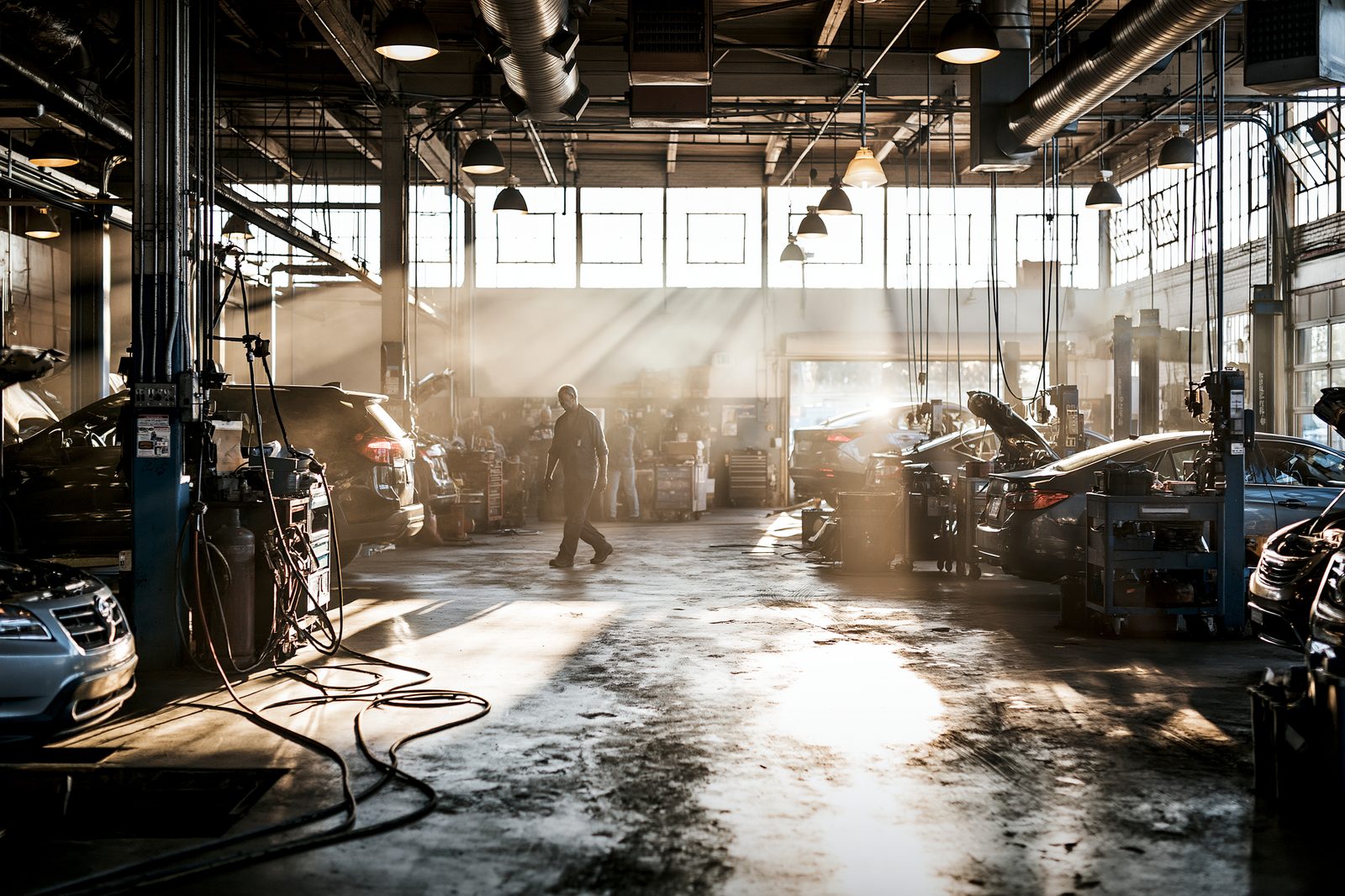
What salvage yards & dismantlers do
Salvage and dismantling operations take in wrecked, junked, or end-of-life vehicles; drain and dispose of fluids; pull and resell usable parts; and crush or process what’s left. It involves large lots full of stored vehicles, cutting and lifting equipment, and members of the public coming on-site to buy parts.
The exposures that come with it
The defining salvage exposure is pollution: draining gas, oil, coolant, brake fluid, and handling batteries all create environmental risk, and a spill or contamination event can be expensive to clean up. On top of that, salvage yards carry heavy lot-storage exposure (large numbers of vehicles on the premises), equipment risk from crushers, cutting tools, and forklifts (including hot-work fire risk from cutting), and premises / public-liability exposure when customers walk the yard to pull parts or when trespassers get hurt. This is a distinct risk profile that’s underwritten carefully — salvage is a listed appetite class, so confirm eligibility at quote.
Coverage that matters for salvage operations
Garage liability for premises and operations, property for the lot and equipment, attention to pollution terms, and workers’ comp for physically demanding, higher-hazard work. Coverage is general in nature and governed solely by the terms of the issued policy.